

Coordonnées :
+86 17852488518

I'm often asked a question by clients: "Can I buy a Steel Drum Production Line and then make all kinds of drums?"
The answer is: No. More accurately, you can, but it's best not to.
I've visited many factories and witnessed firsthand the consequences of a "one-size-fits-all" approach. They bought a general-purpose oil drum production line, thinking it could hold both chemical solvents and food ingredients. Within six months, pollution complaints, failed quality inspections, and lost customers all came knocking.
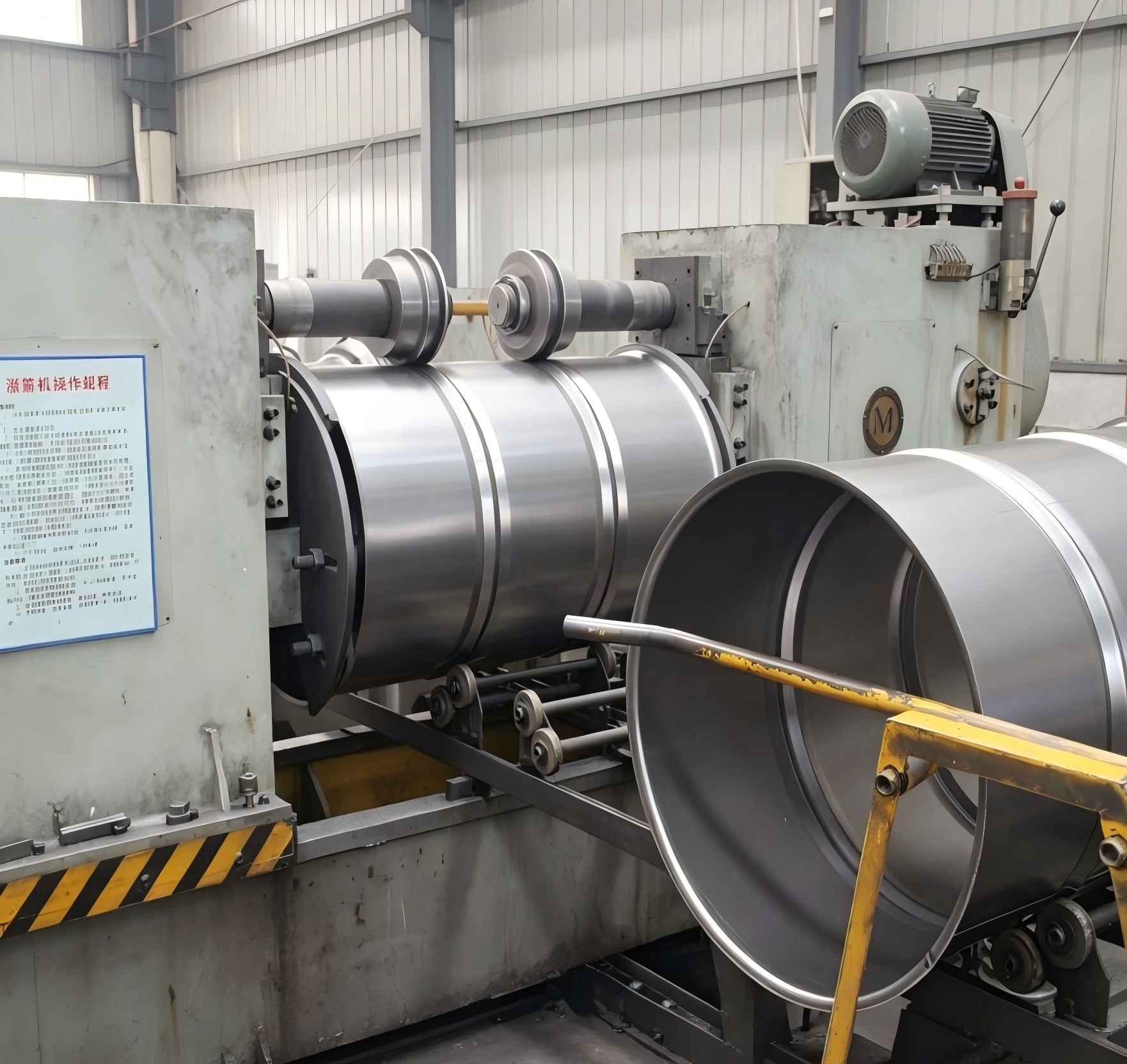
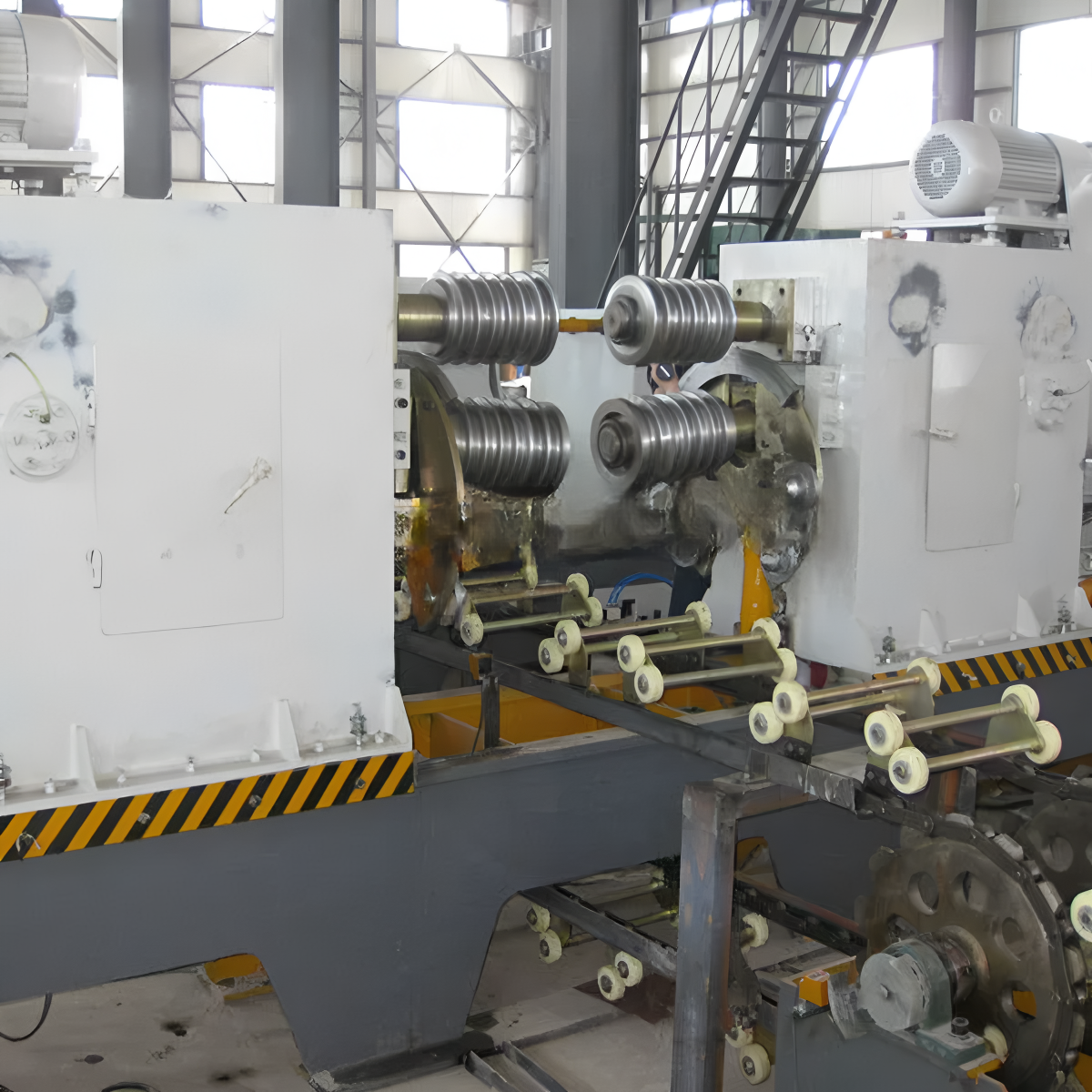
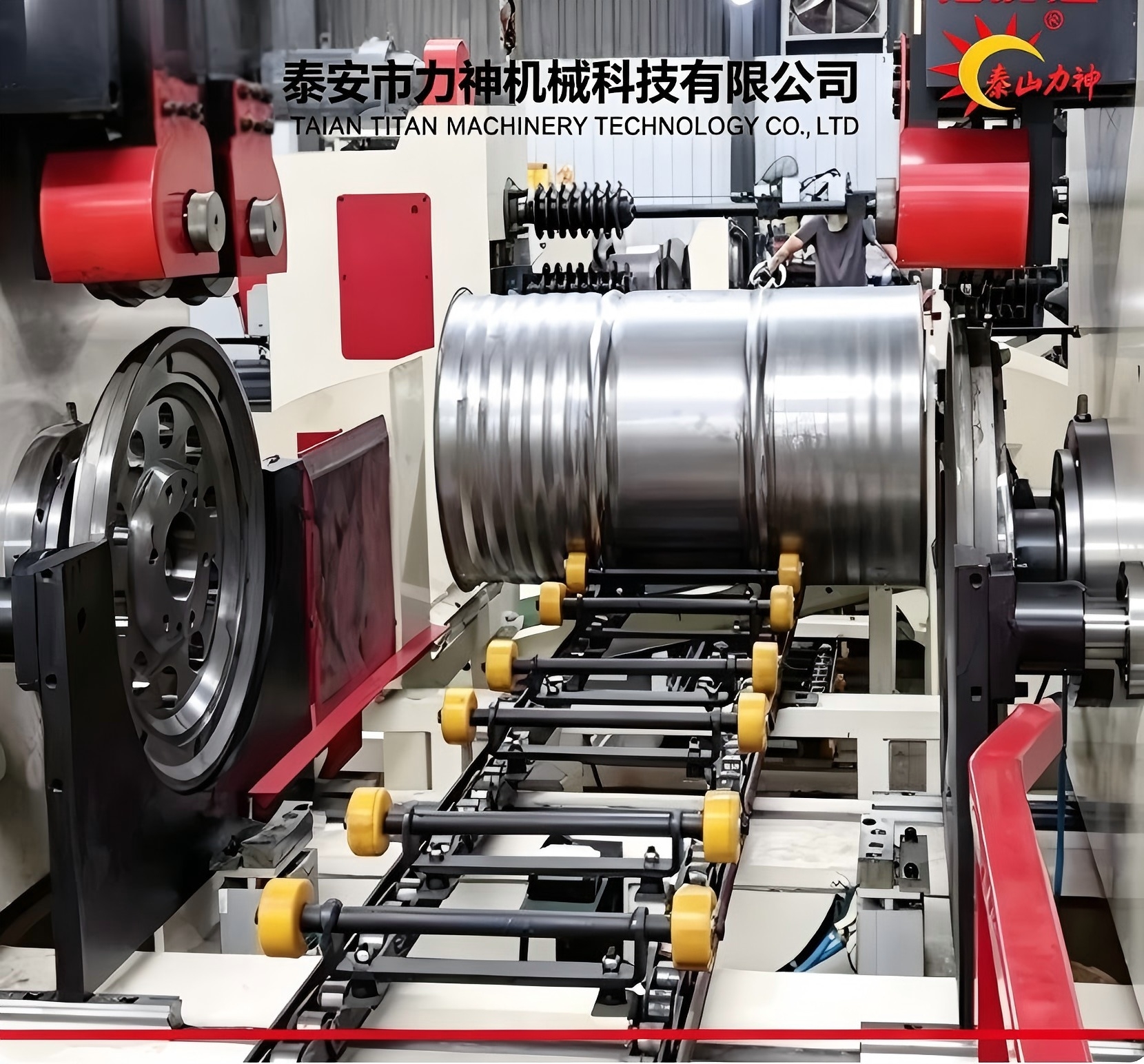
The reality is that different industries have vastly different requirements for steel drums. Chemical drum production equipment must be corrosion-resistant and leak-proof; food drum production equipment must be hygienic and traceable; and stainless steel drum production equipment and ordinary carbon steel lines operate on completely different logics.
The global steel drum market is projected to grow from $12.3 billion in 2023 to $21 billion in 2033. And within this growth, the demand for specialized equipment is increasing much faster than for general-purpose equipment. The Asia-Pacific region alone accounts for 34.5% of the global market, driven by robust expansion in chemical production and manufacturing.
So today, let's skip the formalities and break it down industry by industry to see what kind of steel drum production equipment is truly "right for the job."
Chemical Industry – Corrosion Resistance is the First Line of Defense
If you're making drums for the chemical industry, you're facing the harshest operating environments. Solvents, acids, and alkalis – these materials won't be kind to your equipment.
My advice to chemical clients boils down to three core points:
Material determines everything. Ordinary carbon steel is the default configuration for most steel drum production equipment, but if you're storing corrosive chemicals, you might need stainless steel drum production equipment, or carbon steel with an inner coating. Galvanized drum production equipment is also an option – the zinc layer provides extra protection.
Sealing is crucial. Chemical drums absolutely cannot leak. This means the crimping and sealing processes must be precise. Closed-top drum production equipment (closed type) is usually the first choice for liquids because the seal of a fixed top cap with an inlet is much better than a removable cap.
UN certification is non-negotiable. If your drums are to be exported as dangerous goods, they must meet the United Nations Dangerous Goods Transport Certification. Not every steel drum production line can consistently achieve this quality level.
My personal practical advice: When evaluating chemical drum production equipment, be sure to ask clearly how the weld quality inspection is conducted. The best lines come with automatic leak testing; this is preventative.
Chemicals and petrochemicals are the two pillars of the steel drum market. If you're in this field, don't skimp on equipment quality. The loss from a single leak is far greater than the extra cost of better equipment.
Food Industry—Hygiene and Safety Above All Else
The food industry operates on a completely different level. I'm not just talking about equipment, but the entire mindset.
Every time I work with a food factory, my first words are: Your food drum production equipment must produce containers that can directly contact food. There's no room for negotiation.
Food-grade materials. Ordinary carbon steel is insufficient for most food applications. You need stainless steel drum production equipment, or carbon steel lines with food-grade inner coatings. Welding processes must also be suitable for food-grade applications—this typically requires specialized techniques and experienced operators.
Clean production environment. The production environment itself is also crucial. The design of steel drum production lines must facilitate cleaning and eliminate blind spots. Some food factories are even pursuing certifications like FSSC 22000.
Raw material traceability is crucial. In the food industry, the type of steel, coating, and sealing ring used in each drum must be traceable.
The most successful approach I've seen is to invest in a dedicated food drum production line, completely separate from non-food lines. This reduces quality issues and simplifies regulatory audits. While the initial investment is high, it offers long-term peace of mind.
The demand for steel drums from edible oils, alcoholic beverages, and food ingredients is steadily increasing. If you plan to enter this market, start with high standards.
Petrochemical and oil product industries—high volume, high durability.
Petrochemicals are the main battleground for oil drum production equipment. Here, large-volume production and high durability are paramount.
Output is king. Petrochemical companies purchase tens of thousands of drums at a time. Medium-speed or high-speed steel drum production lines are usually the right choice—you need sufficient throughput to meet delivery deadlines.
Durability is a fundamental requirement. These drums need to cross oceans, be stacked and transported, and be handled roughly. The 55-gallon (210-liter) drum production line is the industry standard, and for good reason—its design has been proven time-tested and can withstand heavy handling.
High standardization. Unlike food or specialty chemical drums, petrochemical drums have highly standardized specifications. This actually simplifies the selection process—you just need a reliable steel drum production line that can operate stably and at high speed for extended periods.
My advice to petrochemical buyers: prioritize "reliability" and "uptime." A line that produces 7 drums per minute with a 95% uptime is better than one that produces 8 drums per minute with only an 80% uptime. Find out the supplier's mean time between failures (MTBF) and spare parts inventory.
The 55-gallon drum accounts for 55% of the market share, approximately $6.93 billion, with the majority coming from the petrochemical industry. If you're in this market, it's huge, but your equipment must keep up.
Horizontal comparison of different types of production lines—which one is right for your industry? I've compiled the requirements of various industries into a table to help you find your niche:
Comparison Items: Chemical Industry, Food Industry, Petrochemical/Oil Products, General Industry
Preferred Material: Carbon steel with internal coating, stainless steel, galvanized; Stainless steel or coated carbon steel; Carbon steel; Carbon steel
Preferred Drum Type: Closed-top drum (tight-necked); Depends on product; Closed-top drum (tight-necked); Depends on product
Core Requirements: Leak-proof, UN certified; Food-grade, hygienic, traceable; High output, durable; Cost-effective
Recommended Speed: Medium to High; Medium speed; High speed; Low to Medium speed
Customization Level: High; High; Medium; Low to Medium
Source: Industry practice summary, combined with manufacturing standards and regulatory requirements
You see, no steel drum production line is "all-purpose." The choice of production line depends entirely on who you supply and what you supply.
What exactly can customization change? — Don't be fooled by the word "customization"
I especially enjoy discussing customization with clients because this is where a manufacturer's true level of expertise is revealed. The best manufacturers—like Taian Lishen, established in 1996 with nearly 30 years of experience—can indeed differentiate themselves.
True customization of steel drum production lines is reflected in these aspects:
**Plate thickness adjustment:** Standard lines typically use 0.8~1.2mm. However, we've customized lines for clients with thicknesses ranging from 0.6mm to 1.5mm. Each requires adjustments to forming, welding, and edge-rolling parameters.
**Drum size variations:** Most lines cover 100~220 liters. But we've done custom sizes from 30 liters to 240 liters. This requires changing molds, adjusting conveyor belts, and rewriting the program.
**Integrated coating and lining:** Some clients require in-line coating, while others require specific lining systems. Chemical drum production equipment may have an additional spraying unit compared to standard lines.
**Automation level:** Not everyone prefers full automation. Some clients prefer semi-automation for easier manual intervention; others require full automation with as few people as possible.
Key takeaway: The best customization involves the manufacturer from the planning stage. Don't wait until you've bought the equipment to think about modifications. Designing with the supplier from the beginning ensures a true match to your needs.
Additionally, the complex stamping technology of the front-end equipment can save 3-4% on steel. With an annual production of hundreds of thousands of units, this saving is considerable.
Turnkey Solutions – When to Choose Them?
I'm a strong advocate of turnkey solutions, but I only recommend them in specific situations. Turnkey solutions are most cost-effective in the following scenarios:
You're making steel drums for the first time. If you've never worked on a steel drum production line before, the learning curve is steep. A turnkey solution means one supplier handles design, installation, training, and after-sales service, saving you time and effort.
You're entering a new market. For example, switching from plastic drums to steel drums without internal technical expertise. A turnkey solution can quickly fill this gap.
You have limited engineering resources. Not every factory can afford an engineering team. If you have a limited number of technical personnel, a turnkey solution is a practical choice.
You need to save time. A turnkey solution allows for faster production than piecemeal solutions. What are the downsides? Turnkey projects typically have higher upfront costs. However, if you factor in losses from delays, errors, and downtime, turnkey projects are often more cost-effective.
A complete steel drum production line turnkey project generally takes about 130 days from prepayment to delivery. This cycle is reasonable for a complete system.
Energy Consumption—The Easily Overlooked Hidden Cost
Let's talk about an often overlooked topic: electricity costs.
A typical drum-making line has a total power of about 188 kilowatts and an average energy consumption of about 108 kilowatts. If production continues 24 hours a day, this electricity cost can be substantial.
I've summarized a few energy-saving tips:
Servo control systems can save over 30% on electricity. They are more expensive upfront, but the payback period is typically only 18-24 months.
Optimizing production processes can reduce scrap and idle time. For example, adjusting heating parameters and reducing standby time have significant effects.
Waste heat recovery is becoming increasingly common. Some factories collect the heat generated during welding and forming and use it in other processes. My principle: Always ask about the power consumption of each drum, not just the total power. This ensures a fair comparison between different drum-making equipment.
Frequently Asked Questions (FAQ) about Steel Drum Production Equipment
Q1: Can a steel drum production line produce both open and closed drums simultaneously?
Yes. Many modern steel drum production lines can. However, changeovers require time and different tooling. Some lines are designed with quick changeover functionality—if you need to changeovers frequently, remember to ask this.
Q2: What are the differences between stainless steel drum production equipment and ordinary lines?
Stainless steel drum production equipment is specifically designed for processing stainless steel. Stainless steel is harder than carbon steel, making it more difficult to form and weld. Therefore, the equipment requires different molds, welding parameters, and sometimes higher power drives. It is more expensive, but it is indispensable for food-grade and some chemical applications.
Q3: How many operators are needed for a steel drum production line?
It depends on the speed and level of automation. Low-speed lines (1-2 drums/minute) require approximately 15 people; medium-speed (5 drums/minute) requires approximately 10 people; high-speed (7-8 drums/minute) requires approximately 8 people. The higher the level of automation, the fewer people are needed.
Q4: What is the typical delivery time for steel drum production equipment?
A complete steel drum production line typically takes about 130 days from prepayment to shipment. Standard configurations may be faster, but customization will increase the time.
Q5: How do I determine if I need galvanized drum production equipment?
If your drums will be exposed to humid environments, corrosive media, or specific chemicals, galvanized drum production equipment may be the right choice. The zinc coating provides corrosion resistance that carbon steel lacks. Inquire about the galvanizing process—hot-dip galvanizing provides a more even coverage and better protection than electro-galvanizing.
Q6: What routine maintenance is required for a steel drum production line?
This includes lubrication, weld inspection, edge quality inspection, and sensor calibration. The specific frequency depends on production volume. Suppliers usually provide maintenance manuals and recommended intervals. I strongly recommend stocking up on critical spare parts to minimize downtime.
Conclusion: The steel drum production line you choose is a microcosm of your company's positioning. Are you a large-volume player in the petrochemical industry? A specialty supplier in the food industry? Or a safety guardian in the chemical industry?
Each path corresponds to different equipment choices.
The global market is growing—from $12.3 billion to a projected $21 billion (2033), with the Asia-Pacific region as the engine. In this growth, specialized equipment for specific industries will become increasingly important.
My advice: Understand your industry, define your needs, and then find a manufacturer that truly understands both.
Taian Lishen Machinery Technology Co., Ltd., since 1996, has witnessed and followed the evolution of the industry. Whether you need chemical drum production equipment, food drum production equipment, or stainless steel drum production equipment, the key is "matching"—making the equipment suitable for your application, not making yourself adapt to the equipment.
Don't compromise on a "good enough" solution. Your drums, and your customers, deserve better.
If you're still struggling to choose which steel drum production line to go with, feel free to contact me. I've been in this industry long enough to know that every situation is different. I'd be happy to help you find the best solution for you.


Ce site Web utilise des cookies pour vous garantir la meilleure expérience sur notre site Web.


 English
 Español
 Pусский
 العربية



 Téléphone
Commentaire
(0)